
Classic Mahjong
New Games
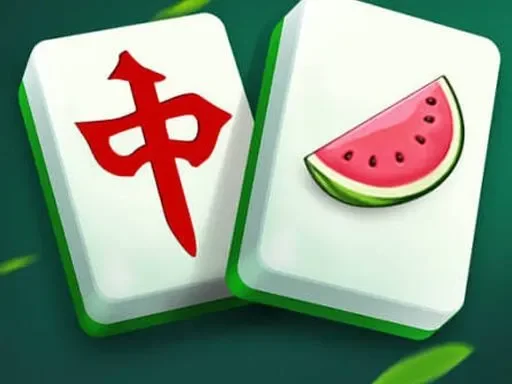
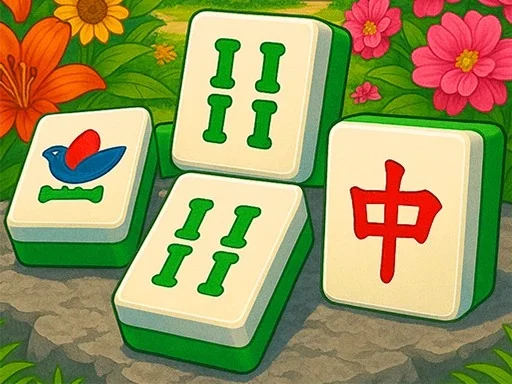



A Quiet Puzzle with Real Tension
Classic Mahjong is a mahjong solitaire puzzle, not the four player table game. You sit in front of a layered arrangement of tiles and remove matching pairs until the board is empty. The idea sounds restful because every move is just a click or tap, yet the puzzle has real tension. A pair that looks convenient now might block the only route to a deeper stack later, so the board keeps asking you to think one step beyond the obvious match.
That balance is what has kept this format popular for decades. The symbols come from traditional mahjong sets, but the experience is about reading shapes, exposing edges, and preserving options. You are not building hands or memorizing scoring patterns. You are studying a structure and gradually opening space until the whole layout collapses in your favor.
Why the board feels different from simple matching games
Many matching games reward speed above all else. Classic Mahjong usually rewards vision and patience. Tiles can sit on multiple levels, which means a good move does more than remove two pieces. It can uncover a buried tile, open one side of a stack, or prevent a bad chain of decisions that would leave identical symbols trapped under each other.
The pace also makes it approachable. You can play for a few calm minutes, leave the board, and come back later. Instead of reacting to falling pieces, you are reading a problem that becomes clearer with careful attention.
Reading the Shape of the Layout
The central rule of Classic Mahjong is simple: only free tiles can be matched. In most layouts, a tile counts as free when no other tile is resting on top of it and at least one of its long sides is open. If a tile is covered or squeezed between neighbors on both left and right, it is blocked even when you can see its face. Learning to spot that rule quickly is the moment when beginners start feeling comfortable.
Which tiles deserve your attention first
Start with the outer layers and the topmost pieces because they create the most new possibilities. When you have two possible pairs of the same symbol, choose the one that reveals more hidden tiles or opens a side that was previously closed. If the board includes the special flower or season groups, remember that many classic versions let those tiles match within their own group rather than requiring identical artwork. That rule can rescue a board that looks tight at first glance.
Small traps hidden in plain sight
A common mistake is clearing every easy pair on the edge without asking what remains underneath. Another is forgetting that symbols often appear four times, so removing the wrong two copies can strand the others. Stronger play comes from scanning the whole layout before committing. When you notice a tile that appears in only one open pair, treat it as important information.
Settling into a Browser Session
You can play Classic Mahjong directly in your browser on playvitamahjong.com. The appeal of browser play is immediate access: open the page, let the board load, and begin matching without an install or account setup. On desktop, a mouse makes it easy to compare distant corners of the layout. On mobile or tablet, landscape orientation usually gives the tiles more room and reduces mis-taps on crowded stacks.
Playing in a browser also makes short sessions practical. You can take a quick break, solve part of a board, and return later when you want to continue. If your current build offers helpers such as hint, undo, or shuffle, treat them as learning tools rather than emergency buttons. Hint can show what your eyes missed, undo can help when testing different routes through the same cluster, and shuffle can keep a session moving when no playable pair remains.
Moves That Create Tomorrow's Options
The best Classic Mahjong players are not always the fastest. They are the ones who remove tiles with a purpose. Try to clear pairs that expose covered pieces, especially near the center of the board where one release can affect several layers at once. If you can choose between opening a new lane and simply thinning an already open side, the new lane is often the better investment.
Habits that help more than raw speed
Build a steady scan pattern. Some players move clockwise around the board, others compare the top row first and then the lower wings. The method matters less than consistency, because consistent scanning helps your memory. When you have already noticed where a bamboo, circle, or character tile is hiding, you save time later and make fewer careless matches.
It also helps to pause after every few removals. The board changes shape constantly, and new free tiles can appear in places that were impossible a moment earlier. A short pause often reveals a smarter sequence than reflexively taking the first pair you see.
Mistakes that close the board too early
Do not treat all open pairs as equal. Removing two tiles from the same side of a structure can leave the opposite side still locked, while a different pair might have opened both. Be careful with symmetry as well. Classic layouts sometimes tempt you to clear mirrored edges evenly, but one side may hide a key tile that should be prioritized first. If a round feels stuck, the answer is usually not faster clicking. It is better board reading.
From Traditional Tiles to a Solo Computer Puzzle
The visual language of Classic Mahjong comes from Chinese mahjong tiles, but the digital puzzle format has its own history. Mahjong solitaire became widely known on computers in the early 1980s, with influential versions helping define the single player rule set of matching exposed tiles on layered boards. Later PC and web editions turned it into a familiar casual game because the concept was easy to understand and replayable.
That history explains why the game feels both old and modern. The tile art evokes a long tabletop tradition, while the actual play loop is built for screens. In a browser, that loop remains intact: scan, compare, match, reveal, repeat.
FAQ
Is Classic Mahjong the same as traditional mahjong?
No. Traditional mahjong is usually a multiplayer game about drawing tiles, making sets, and scoring hands. Classic Mahjong in a browser is a solo mahjong solitaire puzzle where you remove free matching pairs from a fixed layout.
How do I know whether a tile is free?
In most versions, a tile is free if nothing covers it and at least one long side is open. Seeing the face is not enough by itself. If both long sides are blocked, that tile cannot be selected yet.
What should I do when I cannot find a move?
Slow down and scan the outer edges, the highest layer, and any recently opened gaps. If your version includes hint, undo, or shuffle, use them strategically. They can reveal a missed pair or give you a second chance to choose a better sequence.
Are all Classic Mahjong boards solvable?
Not always. Some mahjong solitaire versions guarantee solvable layouts, while others can produce positions where matching choices or the arrangement itself lead to a dead end. That possibility is one reason planning matters so much.
Can I play Classic Mahjong on a phone?
Yes. The game works well with touch controls, especially in landscape mode where tiles are easier to distinguish. A larger screen can make long comparisons more comfortable, but the rules are the same on mobile and desktop.
Do I need fast reactions to play well?
No. Observation matters more than speed. Players who pause, compare options, and protect future openings usually perform better than players who rush through the first visible matches.
Comments
Loading comments…