
Mahjong Cute Tiles
New Games
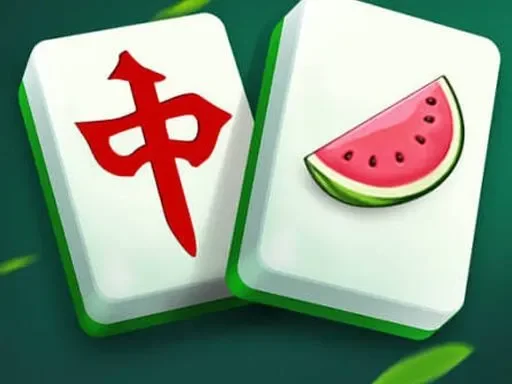
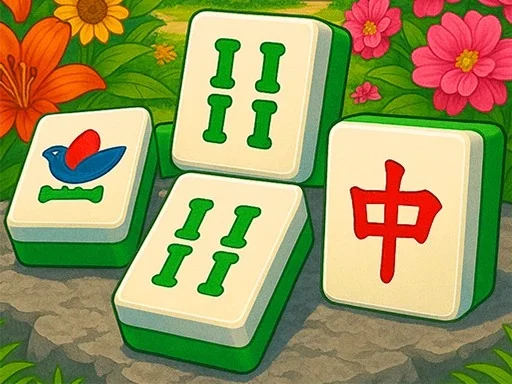



A Softer Take on Mahjong That Plays Like a 3D Triple Match Puzzle
Mahjong Cute Tiles looks familiar at first because it uses the language of mahjong pieces, but the actual challenge is closer to a modern 3D matching puzzle. Instead of clearing identical pairs from a flat layered board, you rotate a chunky cube of tiles and collect matching trios. Every move sends one visible tile into a small holding tray. When three identical icons meet there, they vanish and free space for the next decision. The game becomes less about spotting two exposed sides and more about managing short term storage, remembering where useful symbols are hiding, and choosing the next tile before the tray becomes crowded.
The cute part is not just in the name. The tiles are decorated with bright food and animal style icons, the colors are gentle, and the whole presentation aims for a light puzzle mood instead of the formal look many classic mahjong boards use. Even so, the board can get surprisingly tense. A few careless picks can fill the tray with unrelated icons and leave you searching for a rescue move. That balance between cozy presentation and puzzle pressure is what makes Mahjong Cute Tiles easy to start and hard to play lazily.
How a Round Unfolds in the Browser
On this site, Mahjong Cute Tiles runs directly in the browser, so the first step is simple: load the game, wait for the 3D stack to appear, and start exploring the exposed faces. Only tiles that are currently visible from the outside of the shape can be chosen. Each click or tap moves one tile into the tray instead of clearing it right away. Your real goal is to build sets of three matching icons before the tray fills up.
A typical round goes like this. You rotate the structure to reveal hidden sides, pick an icon you know you can complete soon, then keep scanning for the other two copies. When the third matching tile reaches the tray, the whole trio disappears automatically. That creates breathing room and often opens a better route into the center of the stack. If the tray fills with unmatched tiles and no trio resolves, the run fails and you need to retry the level or rely on a helper. Because of that rule, the game rewards foresight more than random tapping.
Controls that matter most
Desktop play is usually handled with the mouse. Click a visible tile to collect it, then drag the board to rotate the cube and inspect new faces. On phones or tablets, the same actions translate well to touch: tap to select, swipe or drag to turn the structure. Rotation matters as much as selection because the best move is often hiding just around the next corner.
The support tools you may see
Browser versions of Mahjong Cute Tiles commonly include helpers such as Undo, Shuffle, Bomb, and Hint. Undo reverses your latest pick when you realize you committed too early. Shuffle rearranges the remaining tiles and can break up an awkward tray state. Bomb usually removes a problem tile or clears a small obstacle. Hint points you toward a productive choice when your eyes stop tracking the pattern. Some portal versions also award coins that can be spent on these assists.
Good Decisions Early Save the Tray Later
The most common beginner mistake is treating the game like a memory free matching exercise. It is not enough to spot one cute cupcake or one fox tile and grab it immediately. You need a believable path to the other two copies. Before selecting anything, look at the tray and ask a quick question: if I take this tile now, what will probably complete the trio? If the answer is vague, keep rotating first.
A useful habit is to favor tiles that are already part of a visible pair. Taking the first two copies of an icon is much safer when you have already located the third nearby. Another strong habit is to clear the tray from left to right mentally, even if the game does not force that order. When you remember which symbols are already waiting, you make calmer choices and avoid clogging the bar with unrelated icons.
Patterns that open the puzzle
Outer corners and recently revealed edges often hide the quickest completions. If one side of the cube shows two strawberries and another side hints at the same symbol, rotate there before adding unrelated tiles. Also pay attention to depth. Sometimes a tile that looks inconvenient is actually the key to exposing a cluster of matching icons behind it. Smart play is not just about finishing the current trio. It is about creating the next one without filling the tray in the process.
Mistakes that cause avoidable losses
Many failed runs come from overconfidence. Players see a familiar symbol, click it, then repeat that impulse with different icons. The tray becomes a museum of almost useful pieces, and suddenly every remaining move looks bad. Another mistake is rotating too little. If you only study one face, you miss easy completions sitting on the opposite side of the 3D shape. Slow, deliberate scanning is stronger than fast tapping.
Why It Feels Different from Traditional Mahjong Solitaire
Classic mahjong solitaire is usually about removing matching pairs of free tiles from a layered layout. Mahjong Cute Tiles borrows the tile theme but updates the formula into something closer to modern triple match and shelf clearing puzzle games. The 3D rotation, limited tray, and trio matching system make it more tactile, even while the logic remains demanding.
That hybrid identity is part of the game's appeal. It gives players the calm visual familiarity of mahjong style pieces without asking them to learn table game scoring or the free side rule used in older digital mahjong layouts. Public browser listings in late 2025 described the game as a colorful 3D mahjong experience with boosters like Undo, Shuffle, Bomb, and Hint. In practice, that means Mahjong Cute Tiles is best understood as a light, accessible puzzle that sits between mahjong branding and modern match three style structure management.
FAQ
Is Mahjong Cute Tiles the same as regular mahjong?
No. It uses mahjong themed tiles, but the gameplay is a solo browser puzzle. You rotate a 3D structure and match three identical icons in a tray, which is very different from traditional multiplayer mahjong.
How do I avoid filling the tray too quickly?
Try not to pick isolated symbols just because they are visible. Focus on icons where you can already see two copies or have a clear idea where the third one is. Completing trios quickly is the safest way to keep space open.
Do I need to rotate the board constantly?
Yes, frequent rotation is part of good play. Many of the best moves are hidden on side faces or just behind the front layer. If you stop turning the cube, you will miss easy matches and make the tray harder to manage.
What do the helpers like Hint or Shuffle do?
Hint points toward a productive move, Undo reverses your last action, Shuffle rearranges remaining tiles, and Bomb usually removes a troublesome piece. They are useful recovery tools when the tray state becomes awkward.
Can Mahjong Cute Tiles be played on mobile?
Yes. The game works well on phones and tablets in a browser. Tap to collect tiles and drag to rotate the 3D stack. A larger screen can make icon tracking easier, but the rules stay the same.
Is the game mostly luck or mostly strategy?
Strategy matters more than luck in most levels. You still react to what is visible, but careful tray management, memory, and rotation choices make a big difference in whether a run stays under control.
Comments
Loading comments…